Summer Planning Starts Now: 6 Ways to Prepare for a Stronger Season

The off-season may feel quieter, but for marketers, it’s often one of the most important times of the year. Summer creates an opportunity to step back, evaluate what worked, and build the foundation for a stronger season ahead. From cleaning up data and reviewing past performance to refining automation and planning fan/patron communications, the work done now can make a major impact once demand and campaign volume pick back up. Here are six areas to focus on this summer to help set your team up for success.
1. Refresh Your Data with a Preference Update Campaign
Before diving into campaign planning, it’s important to make sure your data is working for you.
Running an “Update Your Preferences” campaign allows your contacts to:
Select the sports or events they care about
Opt into the right email groups
Keep their information current
This not only improves segmentation but also helps protect deliverability by ensuring you’re sending relevant content to engaged audiences.

2. Map Out Your Full Season Communication Strategy
Now is the time to take a step back and map out your full customer journey, not just individual campaigns.
Think through key touchpoints across the season, including:
Upsell & Cross-Sell Campaigns

Premium & High-Value Offer Pushes
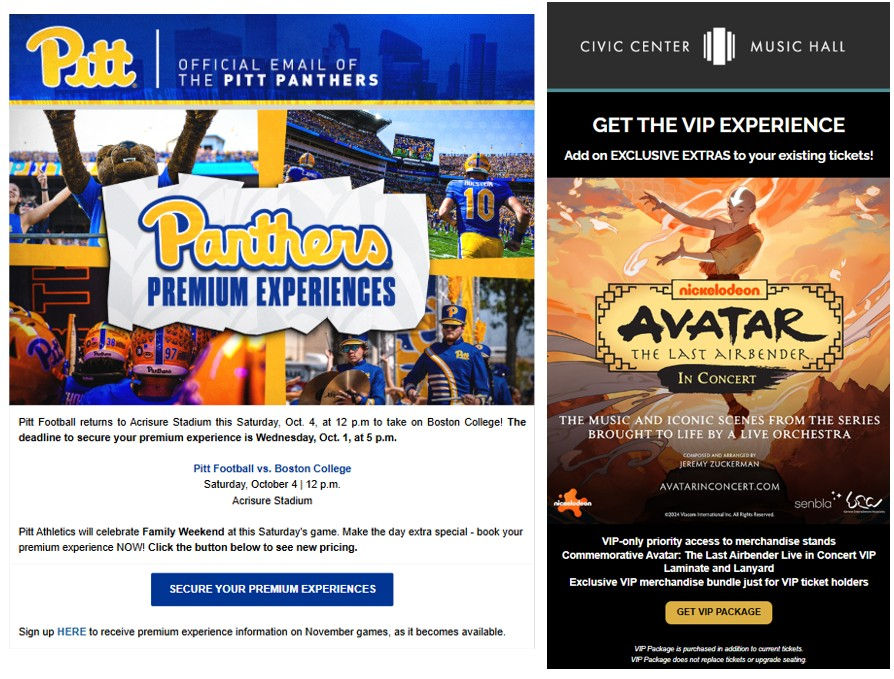
Group Experiences & Promotions

Having this mapped out in advance ensures consistency, prevents gaps in communication, and makes execution much smoother once the season begins.
3. Build (or Refine) Your Automated Campaigns
Once your strategy is mapped, the next step is identifying what can be automated in your season that is currently being sent out each week.
Automation allows you to reach your contacts at the right moment, reduce manual work during busy periods and create a more personalized experience.
If you’re not already leveraging automation for campaigns like cart abandonment, post-purchase follow-ups, web behavior-based messaging or automated surveys, summer is the perfect time to get these set up.
4. Clean Up Your Naming Conventions for Easier Reporting
As you prepare for a new season, it’s also a great time to revisit how your campaigns and assets are named in Eloqua.
Clear and consistent naming conventions make it significantly easier to:
Find assets quickly
Build segments and filters
Report on performance across a season
One simple best practice is to standardize naming around your season codes. For example, starting all email names with a consistent season identifier (e.g., F26, B26, etc.) allows you to quickly search, filter, and analyze performance across all campaigns tied to that season.
From there, you can layer in additional details like campaign type (Cart Abandon, Renewal, Promo, etc.) and sport/event type.
Examples:
F26 Cart Abandon Reminder
B26 Know Before You Go
Taking the time now to clean up naming conventions will save time later when you’re pulling reports, comparing performance, or building future campaigns.
5. Look Back Before You Move Forward
Before finalizing your plan, take time to review last season’s performance.
Ask yourself:
Which campaigns drove the most revenue?
Where did engagement drop off?
What content resonated with most your fans and patrons?
Using tools like the Email Engagement Dashboard in PAC can help you quickly identify trends and opportunities to improve your strategy. For more information on the Email Engagement Dashboard check out December’s blog post here.

6. Partner with Your Marketing Automation Rep
You don’t have to do this alone. Your Marketing Automation team can help:
Identify opportunities for automation
Recommend best practices based on industry trends
Assist with campaign builds and optimization
Connecting early in the summer ensures you have enough time to build, test, and refine before things get busy.
The work you put in during the off-season directly impacts your success in-season. By focusing on data quality, strategic planning, and automation now, you’ll set yourself up for a more efficient workflow and stronger results when your patrons are most engaged.


